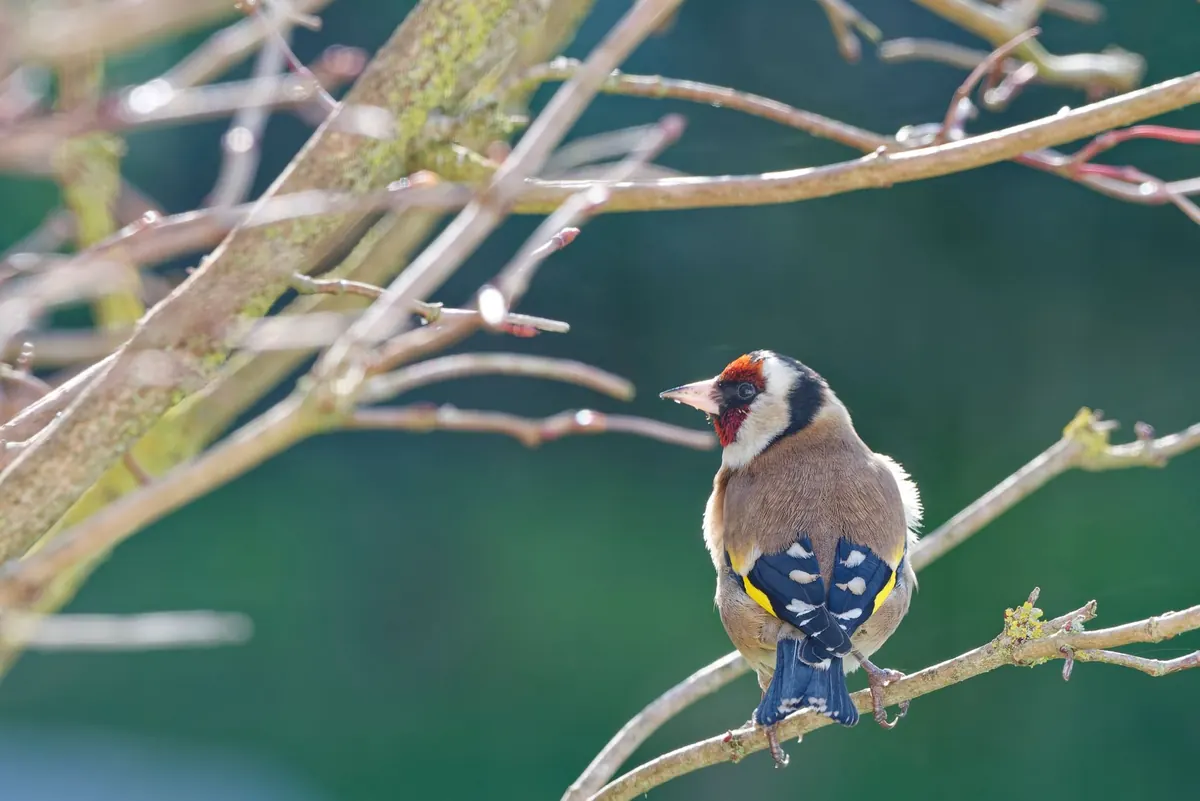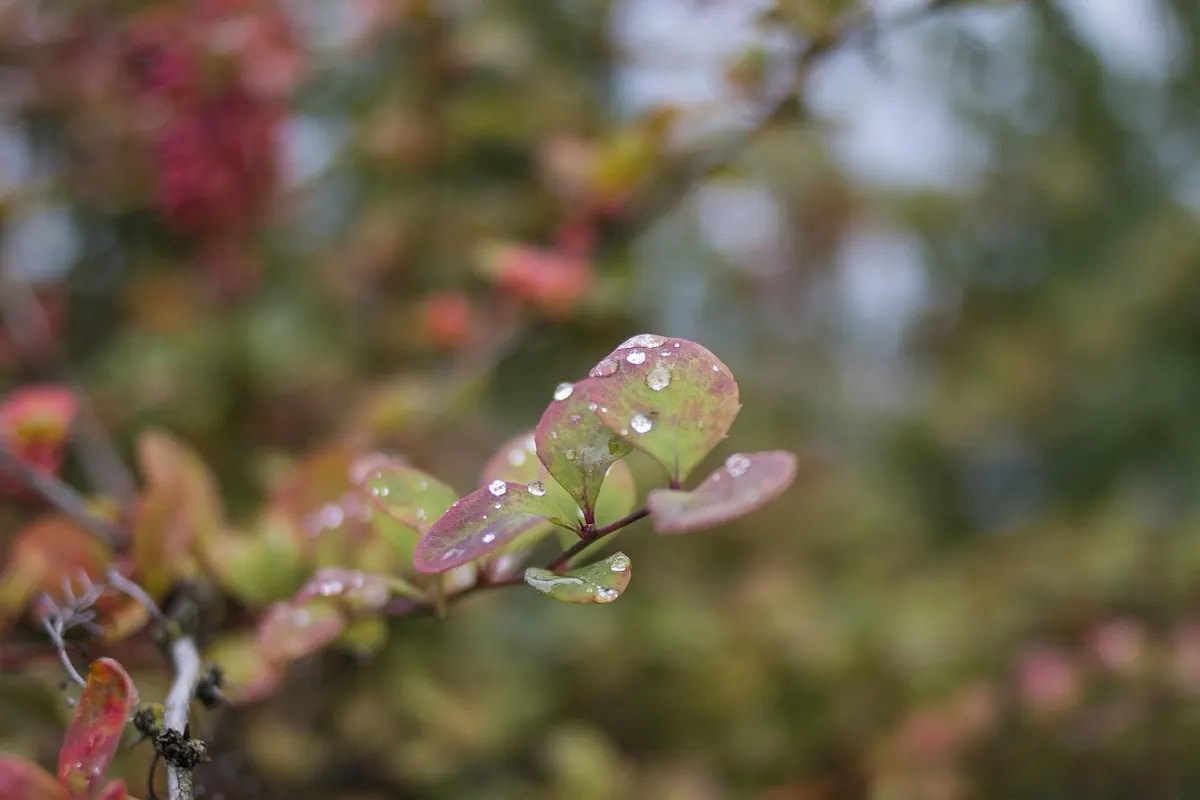
A border the width of a doorway can still pull its weight. Bees will find it, sparrows will check it daily, and leave a gap in the fence and a hedgehog may pass through on its evening rounds. The trick is not cramming in more plants, but layering them so something is in flower, in seed or offering shelter at almost any point in the year. Here is how to do it in the space you actually have — and how to make every centimetre count.
Why Layering Beats a Single Row of Plants
Most small borders are planted in one dimension: a line of perennials along the front, a shrub at the back, bare soil in between. Wildlife rarely uses a border like that. Bees and butterflies want a decent mass of flowers within easy flying distance of one another. Birds want cover at two or three heights, so they can drop down, feed and retreat. Hedgehogs want to move along the base of the border without being exposed.
Layering — low cover at the front, mid-height flowers through the middle, a shrub or small tree at the back — solves all three at once. It also hides the soil, crowds out weeds and looks far better than a row of plants standing in a sea of bare earth. Think of the border as a miniature woodland edge: ground cover, flowering understorey, then taller woody structure. That edge habitat is one of the richest in nature, and you can recreate a slice of it against a fence or wall.
Read Your Border Before You Buy Anything
Spend a fortnight watching the space before you spend anything on plants. Note how many hours of direct sun it gets, and when. Morning sun with afternoon shade suits a very different list from a border that bakes from noon until six. Squeeze a handful of soil: if it holds together in a ball and feels slick, it is clay; if it crumbles and feels gritty, it is sandy.
Then check the practicalities. Where does the prevailing wind come from? Is there a downpipe soaking one end? Can you reach the back without treading on the front? Ten minutes with a notebook saves a whole season of plants sulking in the wrong spot. It also helps to note what is already growing well nearby. If next door's lavender thrives, your border is probably sunny and free-draining; if their hydrangeas look happy, you likely have moisture and some shade.
The Three Layers, and What Goes in Each
Ground layer
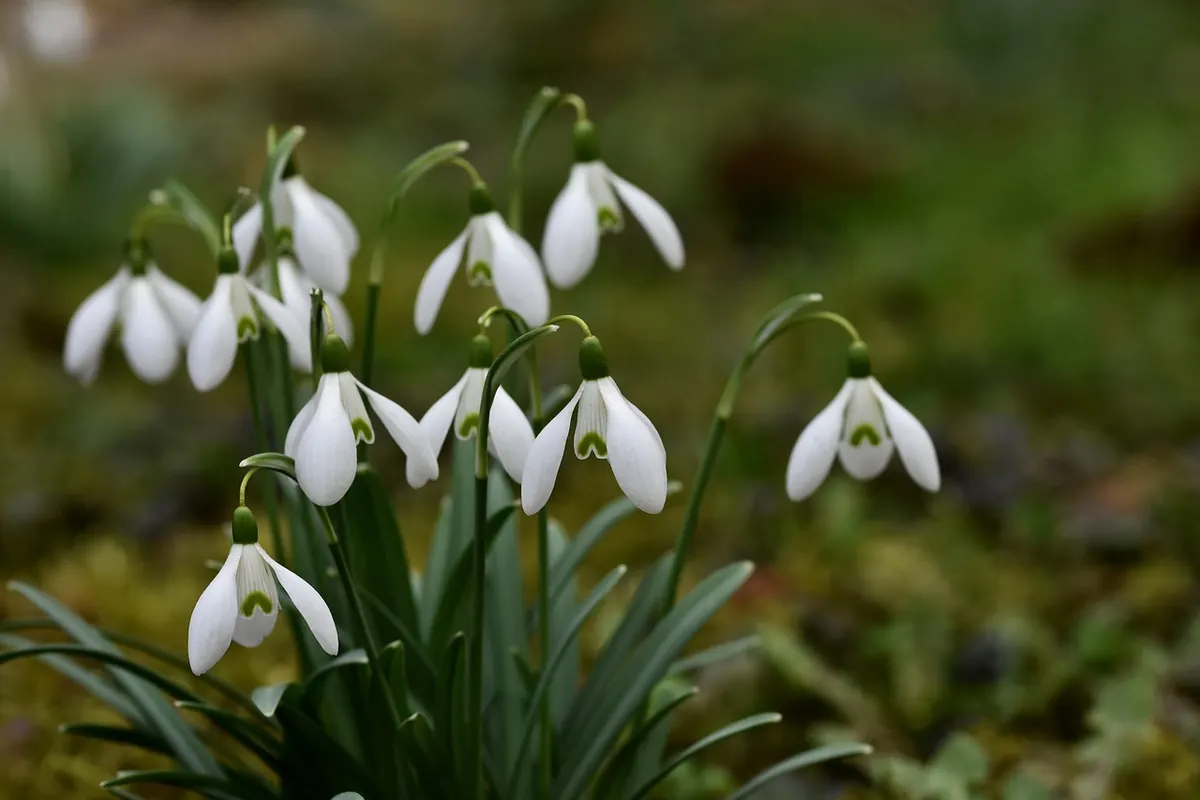
Low plants knit the border together and give insects somewhere to shelter from rain and predators. Aim to cover most of the soil. Bugle, wild strawberry, selfheal, violets and hardy geraniums cope with a range of conditions, and sweet woodruff will spread happily in shade. Spring bulbs — snowdrops, crocus, small daffodils — come up through them and vanish by June. Leave the foliage to die back naturally rather than tying it in knots; the bulb needs those leaves to store energy for next year.
Middle layer
This is the engine room of the border. Choose long-flowering perennials and plant them in groups of three or five rather than ones and twos, so pollinators can spot them from a distance. Catmint, lavender, salvia, yarrow, ox-eye daisy, globe thistle, sedum and foxgloves will give you flowers from late spring into autumn. Verbena bonariensis earns its place even in a tiny border: it takes up almost no ground space, then hovers above everything else on wiry stems. Cut catmint, salvia and hardy geraniums back after their first flush for a second round in late summer.
If you have room for only one or two mid-height plants, choose catmint and sedum. Catmint flowers for months, is loved by bees, and tolerates poor soil. Sedum 'Herbstfreude' (often sold as Autumn Joy) feeds late butterflies and bees, then stands through winter with seedheads that look good in frost.
Top layer
One or two shrubs or a small tree provide height, nesting cover and berries. In a compact border, look at hawthorn or hazel kept pruned as a loose screen, guelder rose, holly, or a crab apple on a dwarfing rootstock. Ivy on a fence is one of the best late-season nectar sources for bees and a reliable nesting site for birds. Keep it clipped to a frame rather than letting it swallow the shed. A climbing rose or honeysuckle can also serve as the top layer if you train it sideways along wires; honeysuckle's evening scent draws moths, which in turn feed bats.
Make Room for Hedgehogs, Birds and Bees
Plants are most of the job, but a few small additions make a disproportionate difference:
- Cut a gap roughly 13cm square at the bottom of each fence panel, or lift a gravel board by a couple of centimetres. Hedgehogs need to roam between gardens to find enough food, and a connected network of gardens is what keeps local populations alive. Encourage neighbours to do the same.
- Leave a shallow dish of water at ground level, with a few stones inside as escape routes. Birds, bees and hedgehogs all drink, especially in hot spells.
- Don't tidy every seedhead in autumn. Teasel, sunflower, coneflower and grasses feed goldfinches and provide winter structure. Cut them back in late winter instead.
- Put up a small nest box on a sheltered wall, ideally facing north-east to avoid full sun and driving rain. A bee hotel is useful too, but only if it has closed backs and can be moved indoors over winter.
- Let a small patch of "weeds" stay. Dandelions are a lifeline for early bees, and nettles feed the caterpillars of comma, red admiral and peacock butterflies.
Plant for Succession, Not Just Summer
A wildlife border should offer something in every season, not just a June explosion. Use a simple calendar to check your gaps:
- Late winter: snowdrops, crocus, hellebores, willow catkins.
- Early spring: pulmonaria, primrose, flowering currant, dandelion.
- Late spring: alliums, aquilegia, hardy geraniums, foxgloves.
- Summer: lavender, catmint, salvia, yarrow, ox-eye daisy, verbena.
- Autumn: sedum, asters, Japanese anemone, ivy flowers, crab apples.
- Winter: seedheads, evergreen structure, ivy berries, rosehips.
If a month is bare, add one plant that fills it. That is easier than trying to make every plant earn its keep all year. Even three or four well-chosen additions can turn a summer-only border into a twelve-month resource.
A Simple Plan for a Narrow Border
Imagine a border 60cm deep and 2m long, facing south. At the back, train a honeysuckle or ivy on wires. In the middle, plant three catmint, three salvia and three sedum in repeated groups. At the front, use hardy geranium, wild strawberry and spring bulbs. Add one verbena bonariensis near the middle and a small crab apple at one end if you can spare the space. That is roughly a dozen plants, but it will flower from May to November, feed insects, and give birds somewhere to perch and forage.
For a shady border, swap the sun-lovers for sweet woodruff, ferns, hellebores, pulmonaria and foxgloves, with a guelder rose or hazel at the back. The principle is identical: cover the ground, flower in layers, and leave the seedheads standing.
Maintenance That Helps Wildlife
Wildlife-friendly gardening is not the same as neglect. A little timely intervention keeps the border productive:
- Mulch with homemade compost or leaf mould in spring. It feeds the soil, locks in moisture and helps worms, which in turn feed birds.
- Deadhead some flowers to keep them blooming, but leave others to set seed.
- Cut back in late winter or early spring, not autumn. Stems and seedheads are habitat through the coldest months.
- Avoid pesticides entirely. Even "organic" sprays can harm the insects you are trying to attract.
- Water newly planted perennials in their first summer, but once established, choose plants that suit your soil so you rarely need to irrigate.
If you do nothing else, plant in groups, leave the seedheads, and cut a hedgehog hole. Those three moves will bring more life to a small border than a whole catalogue of rare plants.
What to Avoid
Some common choices work against you. Double-flowered varieties often have little or no nectar. Highly bred annual bedding may look bright but offers poor food value. Keep invasive plants such as Japanese knotweed, Himalayan balsam and three-cornered leek out of a small border, where they can quickly take over. And avoid paving or gravel right up to the stems: bare, open ground may look tidy, but it offers no shelter and dries out fast.
Finally, resist the urge to fill every gap immediately. A small border is a long-term project. Let plants settle, watch what visits, and adjust. The best wildlife border is the one that fits your space, your soil and the time you actually have.
Photo: Ralphs_Fotos / Pixabay